Inside the Root Cellar: How Ancient Storage Methods Are Back in Vogue
Root cellars, a traditional method of storing fruits and vegetables, are making a comeback in modern times. This age-old practice not only helps in preserving produce for longer periods but also reduces the dependency on refrigeration and electricity. In this article, we will delve into the reasons behind the resurgence of root cellars and how they are becoming a popular choice for many eco-conscious individuals and farmers.
Preserving Freshness and Flavor
One of the main reasons why root cellars are gaining popularity is their ability to preserve the freshness and flavor of produce. Unlike refrigeration, which can sometimes lead to a loss of nutrients and taste, root cellars create a cool and humid environment that helps fruits and vegetables retain their natural goodness. From crisp apples to juicy carrots, the produce stored in a root cellar maintains its quality for an extended period, ensuring that you can enjoy farm-fresh flavors all year round.
Creating the Ideal Environment
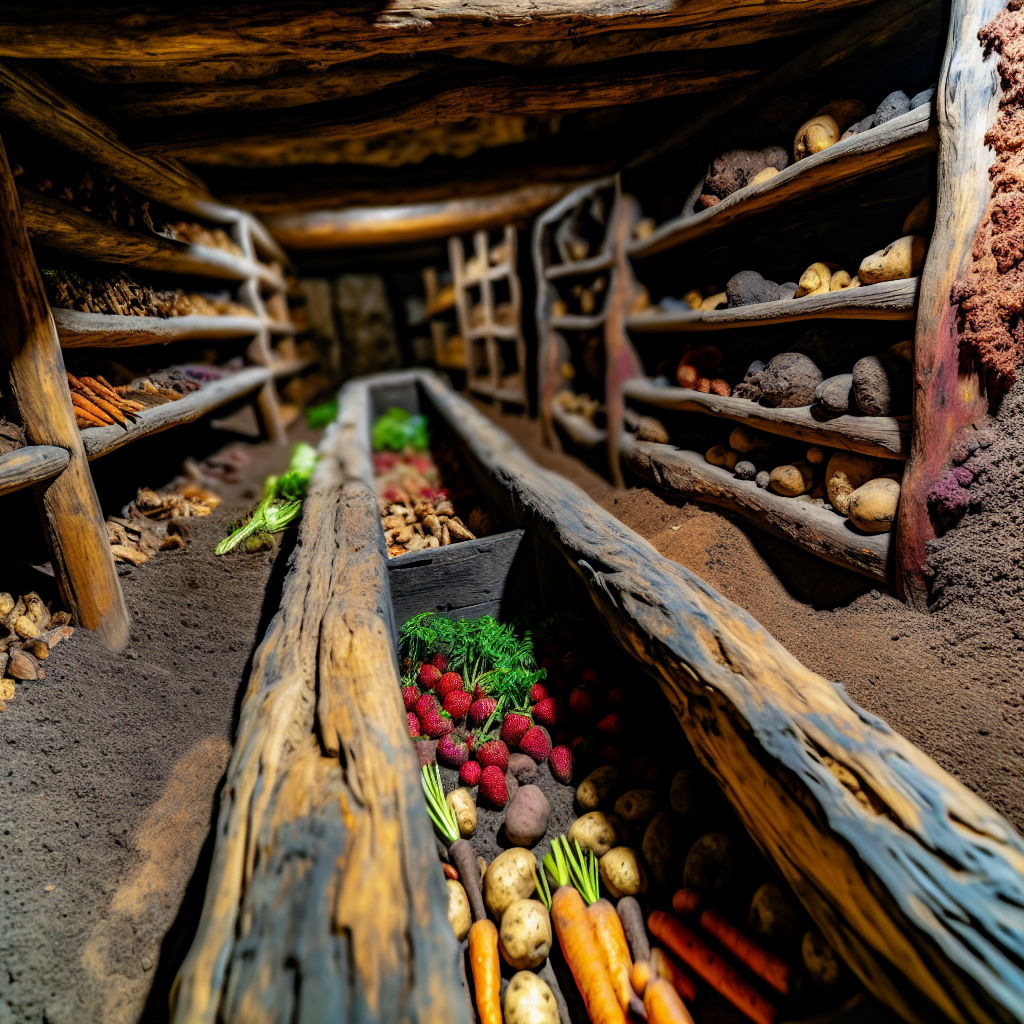
To maintain the optimal conditions for storage, root cellars are typically built underground or partially buried. This placement helps regulate temperature and humidity levels, which are crucial for preventing spoilage and rot. The cool, dark environment of a root cellar slows down the ripening process of fruits and vegetables, allowing them to mature at a slower pace and stay fresh for longer. Additionally, the high humidity in a root cellar prevents dehydration and shriveling, preserving the texture and taste of the produce.
Sustainability and Self-Sufficiency
As the world becomes more environmentally conscious, the appeal of root cellars lies in their sustainable nature. By reducing the need for electricity and refrigeration, root cellars help lower energy consumption and greenhouse gas emissions. Furthermore, storing produce in a root cellar allows individuals to be more self-sufficient and less reliant on grocery stores, especially during times of food shortages or emergencies. This environmentally-friendly and independent approach to food storage is driving the resurgence of root cellars in both rural and urban settings.
Cost-Effective and Low Maintenance
Another benefit of using a root cellar is its cost-effectiveness and low maintenance requirements. Compared to buying and operating refrigerators or freezers, building and maintaining a root cellar can be a more budget-friendly option in the long run. Once constructed, a root cellar requires minimal upkeep and can last for many years with proper care. With a little investment of time and resources upfront, individuals can enjoy the benefits of a sustainable and economical storage solution that pays off in the long term.
Embracing Tradition in a Modern World
In conclusion, the resurgence of root cellars highlights a growing trend towards embracing traditional methods of food preservation in a modern world. By combining the wisdom of the past with the needs of the present, individuals are rediscovering the benefits of storing produce in a natural and sustainable way. Whether you are a farmer looking to extend the shelf life of your harvest or a homeowner seeking to reduce your environmental footprint, the revival of root cellars offers a practical and eco-friendly solution for preserving the freshness and flavor of fruits and vegetables year-round.