The Role of Storytelling in Regional Cuisine
Regional cuisine is not just about the food on the plate – it is about the stories behind it. The history, culture, traditions, and the people of a region all play a crucial role in shaping its culinary identity. In this article, we will delve into the importance of storytelling in regional cuisine and how it can elevate the dining experience for both locals and tourists alike.
The Connection Between Food and Culture
Food has always been deeply intertwined with culture. The dishes we eat, the ingredients we use, and the way we prepare meals are all influenced by our cultural background. Through storytelling, we can learn about the origins of a dish, the traditions surrounding it, and the significance it holds within a community. This connection between food and culture is what makes regional cuisine so special.
Preserving Heritage Through Food
Storytelling is a powerful tool for preserving heritage. By passing down recipes, cooking methods, and food traditions through generations, communities can ensure that their culinary heritage lives on. Through storytelling, we can learn about the struggles, triumphs, and everyday lives of people who have shaped a region’s cuisine over the years. This connection to the past adds depth and meaning to the food we eat.
The Art of Food Presentation
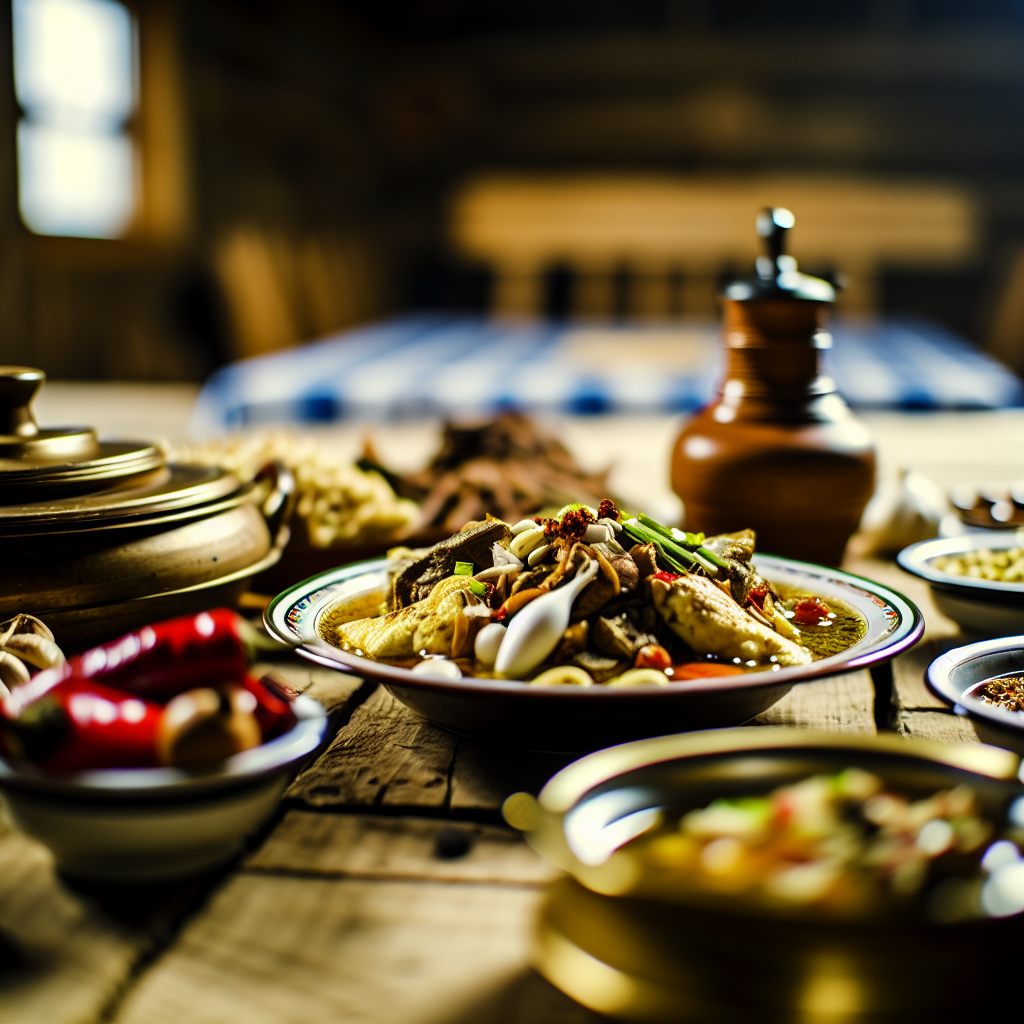
In regional cuisine, food presentation is not just about making a dish look visually appealing – it is about telling a story. From the way ingredients are arranged on a plate to the serving dishes used, every aspect of food presentation can communicate cultural values, historical references, and regional pride. Through storytelling, chefs can create an immersive dining experience that goes beyond taste alone.
Celebrating Diversity Through Food
Every region has its own unique culinary traditions, flavors, and ingredients. Through storytelling, we can celebrate this diversity and learn about the different cultures that have contributed to a region’s cuisine. By exploring the stories behind dishes, we can gain a deeper appreciation for the richness and complexity of regional food cultures.
Embracing Change and Innovation
While storytelling plays a crucial role in preserving tradition, it can also inspire change and innovation in regional cuisine. Chefs and food enthusiasts are constantly adapting and reinterpreting traditional dishes to create new culinary experiences. By incorporating storytelling into their creations, they can pay homage to the past while looking towards the future.
Conclusion
In conclusion, storytelling is a powerful tool that can enhance the experience of regional cuisine. By delving into the history, culture, and traditions behind a dish, we can gain a deeper understanding and appreciation for the food we eat. Whether you are a chef, a food enthusiast, or simply someone who enjoys trying new dishes, storytelling can enrich your culinary journey and connect you to the diverse and vibrant world of regional cuisine.