Zero-Waste Cooking: Making the Most of Every Ingredient
Zero-waste cooking is a sustainable approach to food preparation that focuses on using every part of an ingredient to reduce food waste. By being mindful of how we utilize ingredients, we can not only save money but also reduce our impact on the environment. This article will explore the concept of zero-waste cooking and provide practical tips on how to make the most of every ingredient in your kitchen.
Being Mindful of Food Waste
When we throw away food, we are not just wasting the food itself but also the resources that went into producing it, such as water, energy, and labor. By being mindful of how much food we waste, we can make a positive impact on the environment. Zero-waste cooking encourages us to think creatively about how we can use all parts of an ingredient to minimize waste.
Using Vegetable Scraps
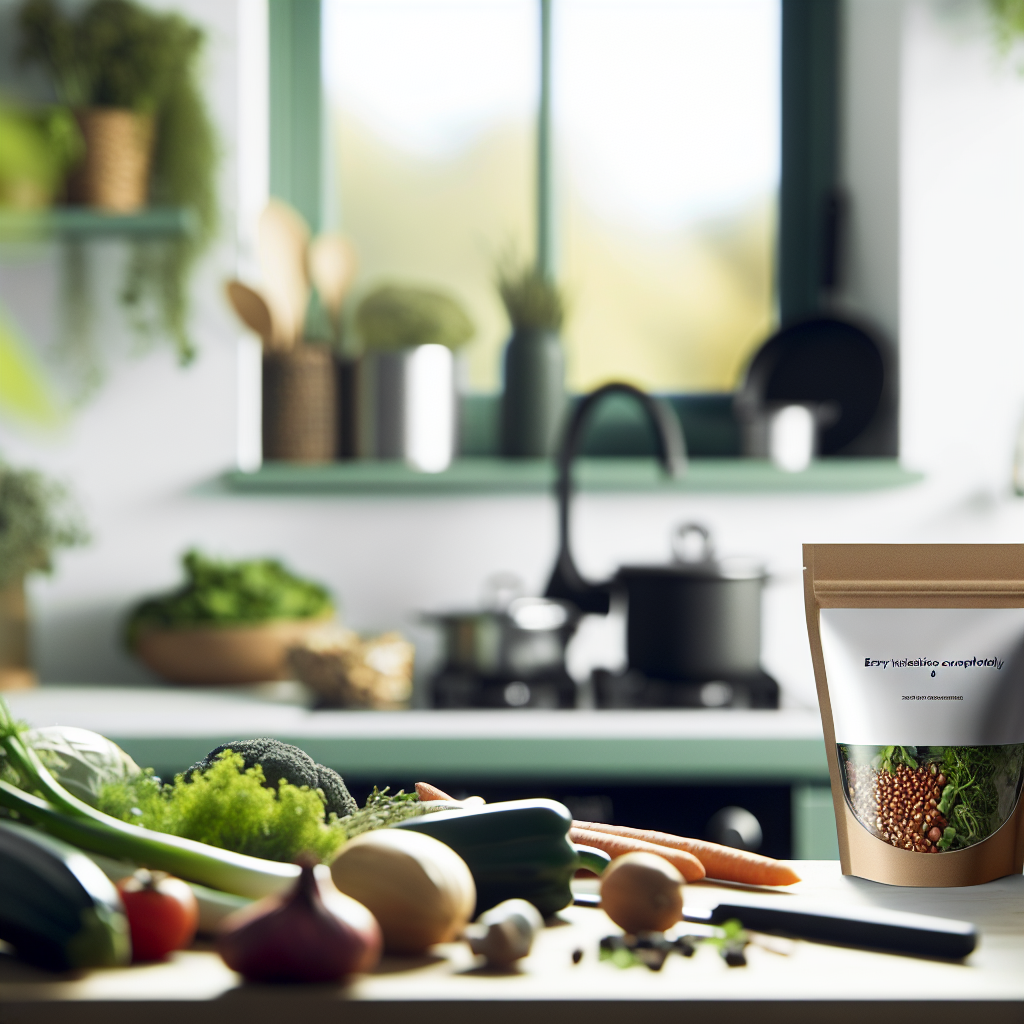
Vegetable scraps like carrot tops, broccoli stems, and onion skins are often discarded, but they can be used to add flavor to stocks, soups, and sauces. By saving these scraps in a container in the freezer, you can easily collect enough to make a homemade vegetable broth, reducing the need for store-bought bouillon cubes or stock.
Repurposing Leftovers
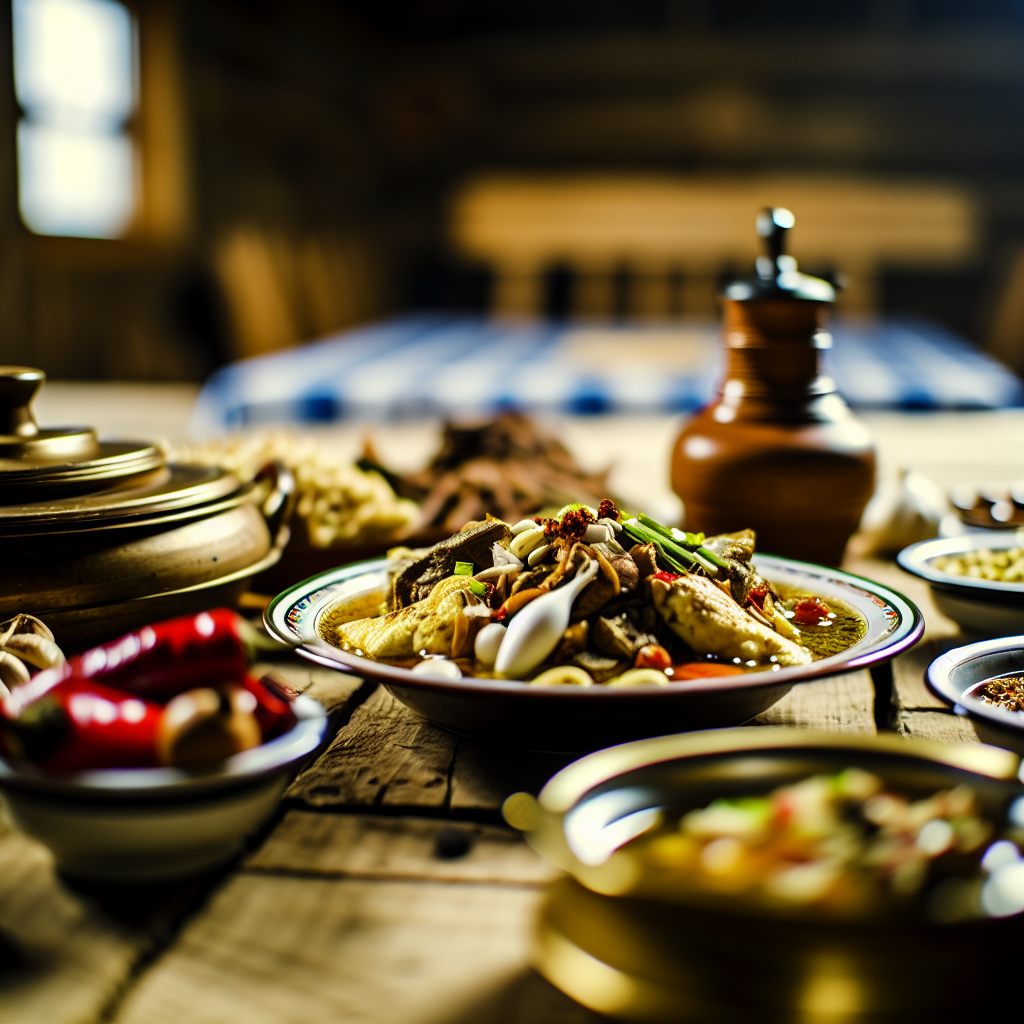
Leftover cooked grains, vegetables, and proteins can be transformed into delicious meals with a little creativity. For example, yesterday’s roasted vegetables can be pureed into a flavorful soup, or leftover rice can be turned into a stir-fry with some fresh vegetables and a protein of your choice. By repurposing leftovers, you not only save money but also reduce food waste.
Getting Creative in the Kitchen
Zero-waste cooking encourages us to think outside the box and get creative with our ingredients. Instead of following a recipe to the letter, consider how you can use what you have on hand to create a delicious meal. By experimenting with different flavor combinations and cooking techniques, you can make the most of every ingredient in your kitchen.
Preserving Fresh Produce
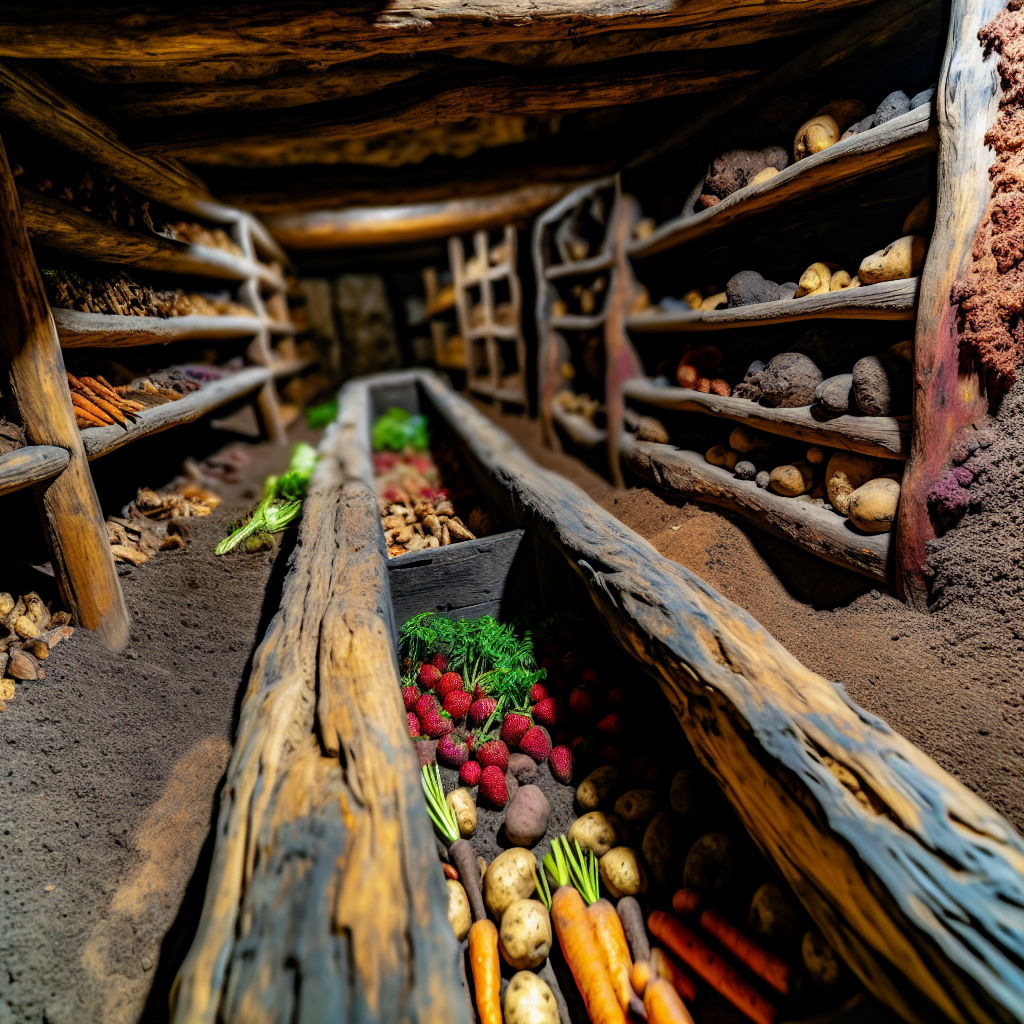
When you have an abundance of fresh produce that is starting to wilt, consider preserving it for future use. Fruits can be frozen for smoothies or turned into jams and chutneys, while vegetables can be pickled or fermented to extend their shelf life. By preserving fresh produce, you can enjoy the flavors of the season year-round.
Batch Cooking and Meal Planning
By batch cooking and meal planning, you can make the most of every ingredient in your kitchen and reduce food waste. Take an inventory of what you have on hand and plan your meals accordingly to ensure that nothing goes to waste. By cooking in larger quantities and freezing individual portions, you can save time and money while minimizing food waste.
In Conclusion
Zero-waste cooking is not just a trend but a sustainable way of approaching food preparation. By being mindful of how we use ingredients, we can reduce food waste, save money, and make a positive impact on the environment. By following the tips outlined in this article and getting creative in the kitchen, you can make the most of every ingredient and contribute to a more sustainable food system.